Design Trends: Salone Del Mobile 2026

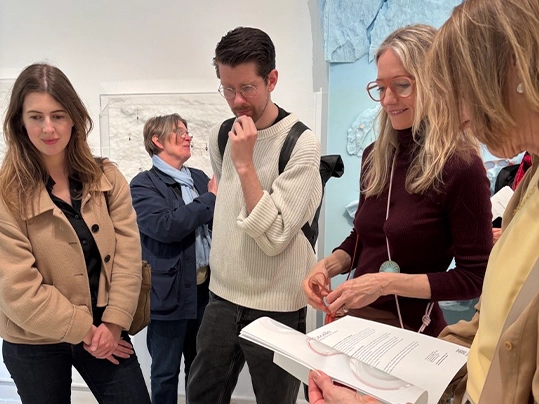
Every year, Salone del Mobile in Milan offers a glimpse into the future of design, bringing together emerging ideas, materials and spatial experiences from across the world. This year, Forbo designers Dorothé, Niels, Thomas and Kita visited the fair to explore the trends shaping tomorrow’s interiors and to gather inspiration for future collections and concepts.
For our design team, visiting Milan is more than trendwatching. It is an opportunity to experience materials, colours and craftsmanship in a real, sensory environment, and to understand how people emotionally connect with spaces. From soft, atmospheric colour palettes to expressive materials and playful installations, the fair revealed a growing desire for authenticity, comfort and optimism in design.
These insights help shape our creative process at Forbo. By translating inspiration into material innovation, colour development and spatial thinking, we continue to create flooring solutions that respond to evolving interior needs and changing lifestyles.
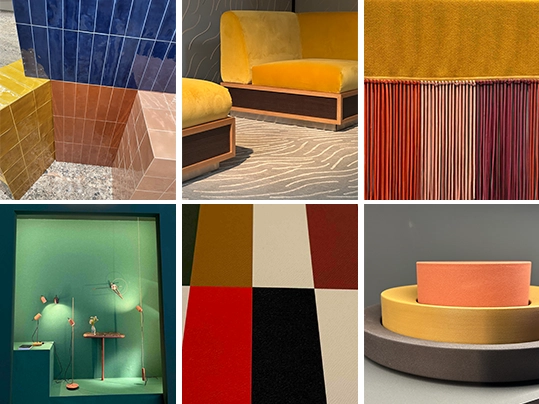
The main base palette is earthy, layered and atmospheric. Warm, sensory, nature- inspired colours actively shape the mood and identity of a space.
Grounded neutrals such as warm beiges & sand, terracotta, brown or olive are enriched by terracotta, amber or bronze.
To create contrast and expression, deep, saturated accents are introduced, such as burgundy, canary yellow, primary green and blue.
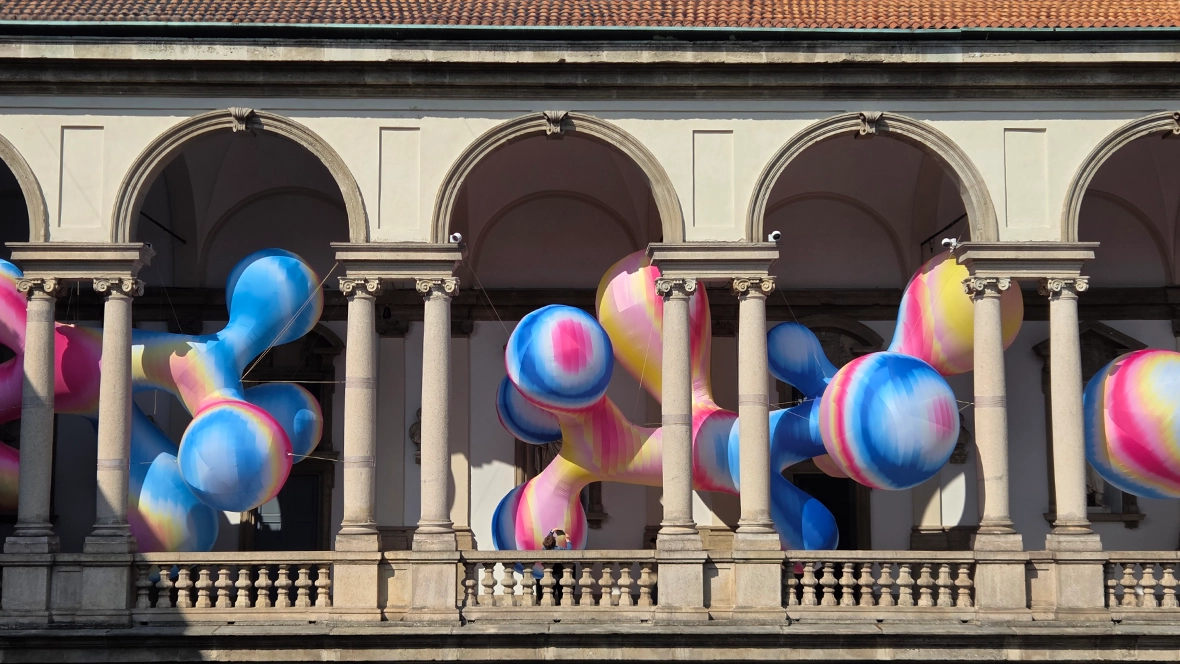
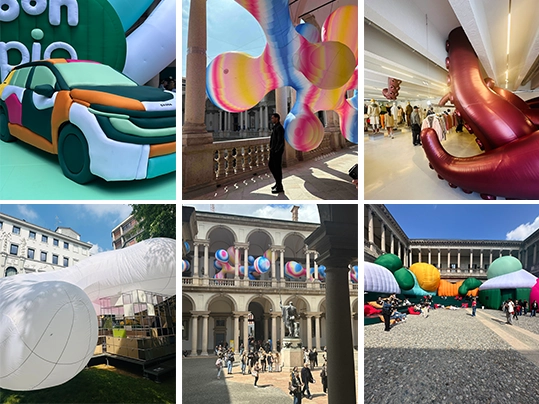
Spatial installations worked with light, sound and movement to emphasize the visitor experience. Some focused on material, craft and simple spatial gestures, while others drew visitors into an immersive world. There was clear attention to soft, sculptural, puffed, and blowup installations, which created a multi-sensory experience.
This language of softness, bold organic shapes and playfulness reflects a wider design trend, also evident in evolving interior and furniture design.
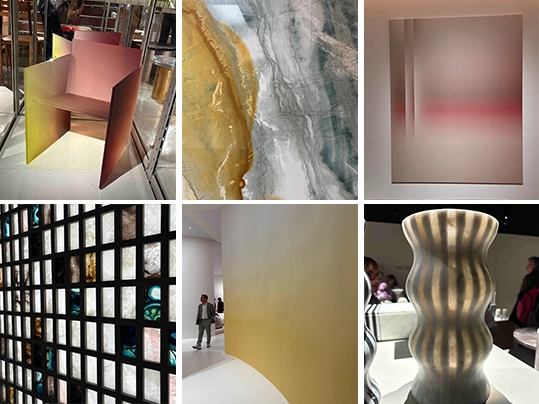
Materials take centre stage, defining not just how spaces look, but how they feel.
Light and transparency make objects feel more immersive, adding an emotional layer to a product.
Translucent materials and gradient finishes introduce fluidity and lightness, creating a more sensory material expression and turning materials into storytellers.
Natural stones and marbles are pushed toward a more design-oriented dimension. Designers use marble in a new way to create serene, nature-inspired environments that promote well-being and tranquillity.
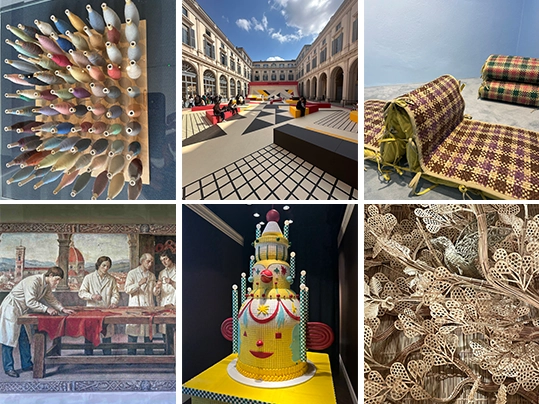
In an increasingly digital and fast-paced world, there is a growing appreciation for authenticity and the human touch.
This shift reflects a renewed connection to materials that reveal their making, through subtle irregularities, layered textures, and natural variations, embracing imperfection and tactility.
Designers are redefining luxury by valuing the slowness and precision of the process and the visible, handmade character of the material.
Craftsmanship and origin becoming an integral part of the material's story and meaning.
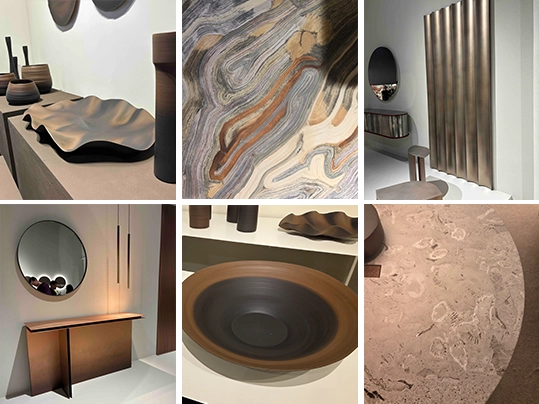
Materials are reshaping our perception: heavy surfaces appear lighter, while rigid materials take on a softer, more tactile quality. The true origin of a material is no longer always evident, ceramics can resemble metal, and metal can mimic ceramics.
Different material, such as wood, stone, glass, leather and ceramics are increasingly combined within single objects, creating layered and unexpected compositions.
High-gloss metal finishes are giving way to brushed, oxidized and patinated surfaces, making them feel softer and more nuanced.
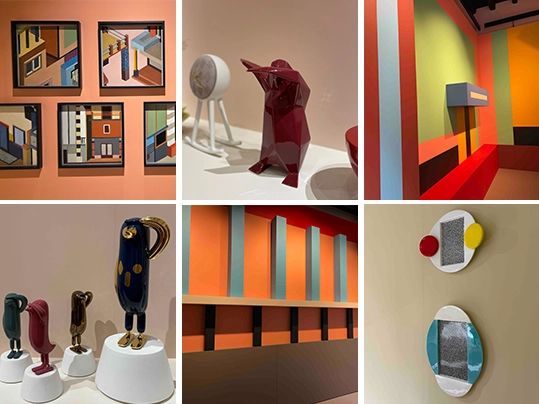
Graphic layering is applied with purpose, combining textures, contrasts, colours, and patterns in a playful way.
This approach brings a sense of optimism and lightness, providing a cheerful contrast to the seriousness of the world.
Moving away from subdued minimalism, this strong visual statement is confident and expressive.