Choose your country

Pulldown 2
Pulldown 2
Pulldown 2
Pulldown 2
Pulldown 2
Pulldown 2
Pulldown 2
Pulldown 2
Pulldown 2

Understanding Acoustic Floor Rating

What you’ll learn: Decibel ratings, compliance with Australian standards, selecting flooring for quiet, comfortable spaces.

Australian standards and understand acoustic ratings for flooring

Acoustic ratings for flooring explained


Acoustic flooring plays a vital role in creating safe, comfortable environments across hospitals, aged care, schools, and residential buildings, especially for multi-level buildings.

This guide breaks down how to interpret acoustic ratings, what Australian standards require, and how to select floors that reduce noise transfer while supporting wellbeing and compliance.

Download your free guide

National Construction Code vs AAAC Star rating

New builds are regulated by the National Construction Code (NCC), while Refurbishments typically look to the Association of Australian Acoustical Consultants (AAAC) voluntary star system.

What are the acoustic requirements for floors in Australia?

When designing or renovating multi-level apartment residential buildings, managing sound between floors is essential for comfort, privacy, and compliance. In Australia, acoustic requirements for flooring focus on limiting impact noise - the sound caused by footsteps, dropped objects, or furniture movement.

The two main standards that guide acoustic performance for floors are:

1. The National Construction Code (NCC) – sets the minimum requirements for new builds.

2. The AAAC Star Rating System – offers a voluntary guideline for achieving higher levels of acoustic comfort

Acoustic flooring to reduce impact noise from through floor below

National Construction Code (NCC)

MANDATORY MINIMUM
NCC 2025 F7P1 sets minimum sound insulation for new Class 2, 3 and 9c buildings (multi-dwelling, boarding/transient residential, and aged care).

Minimum LnT,w ≤ 62 dB sound transmission through floors – This means the impact sound must not exceed 62 dB when tested in the field.

Willow Tree Apartments - Acoustic Rating For Apartments by NCC Australia standard is 62 dB or lower

Association of Australasian Acoustical Consultants (AAAC)

VOLUNTARY RATING SYSTEM
For renovations or projects seeking a higher standard of acoustic performance, the AAAC Star Rating system offers a voluntary guide used widely across the industry.

The AAAC rating system provides a 1- to 6-star scale, with 3 Stars considered basic compliance and 5 Stars or more recommended for good to excellent acoustic comfort in apartments buildings

AAAC Star RatingL’nT,w <
2 star<65 dB
3 star55 dB
4 star50 dB
5 star45 dB
6 star40 dB

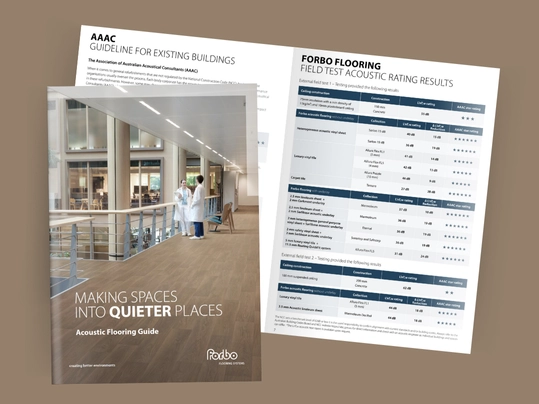
Acoustic Flooring guide brochure for Australian standard

Download our acoustic flooring guide

In this guide, you'll learn:

✔️ The difference between NCC compliance and aiming for AAAC 5 Star rating

✔️ How floor construction and ceiling design affect sound insulation

✔️ Tips on selecting flooring systems that reduce impact noise

✔️ Real-world Forbo field test results showing how our acoustic flooring performs in different construction types

Download your free guide

The different types of sound

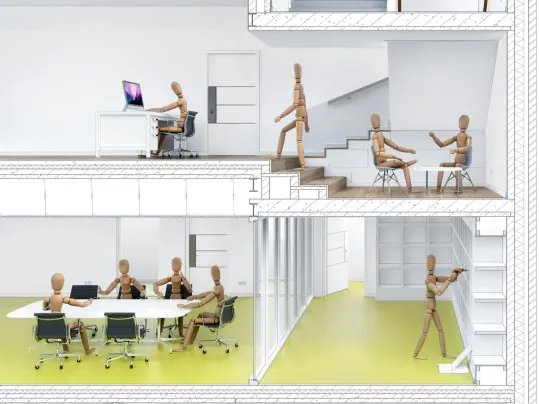
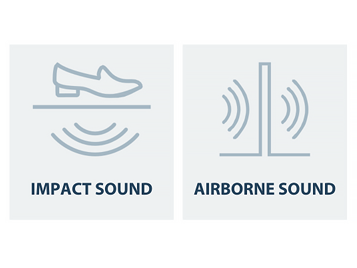
Sound can take one of two forms: airborne noise or impact noise.

Impact: The primary concern for flooring in multi-level buildings is impact sound transmission—the sound created when objects (like footsteps or dropped items) hit the floor and travel through the structure.

Airborne: This is where the Noise Reduction Coefficient (NRC) rating applies: The NRC values range from 0 to 1, where 0 indicates no sound absorption and 1 indicates complete sound absorption. Resilient flooring can contribute to sound absorption but tend to offer less.

Types of sound: Impact and airborne

How to select flooring/system to meet acoustic goal

Firstly, know the acoustic goal. e.g. a specific AAAC star rating or NCC compliance? 2. Check the building specification. (slab thickness, ceiling construction) 3. Find the acoustic value needed. (Calculate the threshold required, given the goal and the building's base performance)

Forbo acoustic flooring options

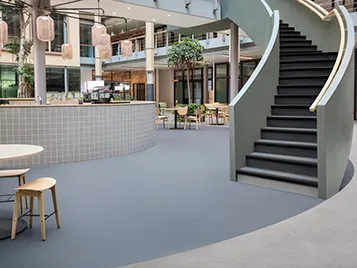
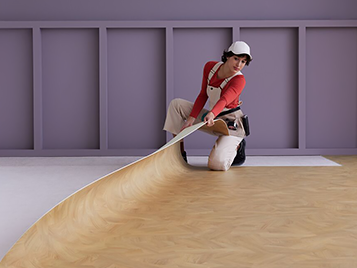
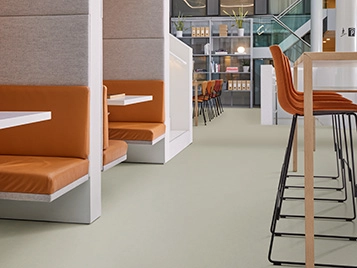
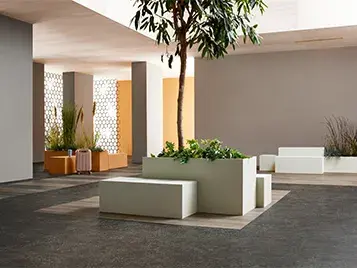
Forbo's acoustic flooring, available in vinyl and linoleum, reduces impact sound transmission by 13–19 dB, making it suitable for apartments, aged care, schools, and healthcare projects where NCC compliance or a higher AAAC Star Rating is required.

Acoustic floor tiles

Looking specifically for acoustic floor tiles?

Our Allura Flex FL5 delivers 13 dB of impact sound reduction in a luxury vinyl tile format—ideal when tile-based installation or design flexibility is preferred over sheet flooring.

View our Acoustic vinyl tiles

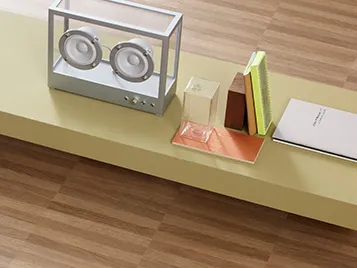
Allura Flex Acoustic Vinyl Tiles for Apartments - Wood Vinyl Plank Flooring

Disclaimer: This guide is for general informational purposes only. Acoustic performance can vary depending on site conditions and construction methods. Always refer to the National Construction Code (NCC), AAAC guidelines, and consult with a qualified acoustic engineer or consultant to ensure compliance with project-specific requirements.

Still have a question?

Our team is happy to help whether it's a technical query or a project specification

Frequently Asked Questions

Q: What is the acoustic requirement for flooring in Australia?
The National Construction Code (NCC) requires impact sound transmission of no more than 62 dB (LnT,w) between sole-occupancy units in new multi-level residential buildings. This is the minimum acoustic requirement for compliance.

Q: What is a good acoustic rating for flooring?
The AAAC Star Rating system scores acoustic comfort from 1 to 6 stars. 3 Stars meets basic compliance; 5 Stars or higher is considered good to excellent acoustic performance for apartments and multi-residential buildings.

Q: What's the difference between acoustic vinyl and acoustic underlay?
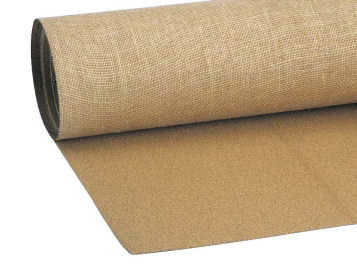
Acoustic vinyl flooring (like Sarlon or Modul'up) has sound reduction built into the sheet or tile itself. Acoustic underlay (like Corkment) is installed beneath a separate floor covering - useful when the finished flooring itself doesn't provide sufficient impact sound reduction alone.